⚓ Scenery of the Museum of Maritime Science – What Remains After the Ship Sailed
The Museum of Maritime Science (船の科学館) once stood as one of Tokyo Bay’s most distinctive landmarks. When it opened in 1974, its bold, ship-shaped building symbolised Japan’s modern relationship with the sea. For decades, it introduced visitors to navigation, shipbuilding, ocean research, and maritime life.
Although the main museum building closed in 2011 and was later demolished, the site has not fallen silent. Instead, its focus has narrowed to one extraordinary survivor. Moored beside the former museum grounds, the historic vessel Sōya (宗谷) continues to tell the story of Japan’s postwar voyages across some of the world’s harshest seas.
🛳️ The Ship That Defines the Site – Sōya (宗谷)
Sōya was built in 1938 as an ice-strengthened cargo ship. From the start, her sturdy hull set her apart. Soon after launch, shifting political and military demands changed her fate. Over the following decades, she served under multiple roles and organisations, adapting again and again to new missions.
After the Second World War, Sōya played a key humanitarian role. She helped repatriate Japanese civilians and soldiers from overseas. Later, she worked as a lighthouse supply ship, supporting navigation safety along Japan’s remote coastlines. Each phase added another layer to her working life.
❄️ Antarctic Expeditions and National Memory
Sōya became nationally famous in 1956 when she was selected as Japan’s first Antarctic research vessel. During multiple expeditions, she carried scientists, crew, vehicles, fuel, and supplies to the edge of the frozen continent. These voyages marked Japan’s return to international scientific exploration after the war.
The missions were demanding. Crews faced pack ice, severe storms, and long periods of isolation. Nevertheless, Sōya succeeded in supporting the establishment and resupply of Shōwa Station, Japan’s permanent Antarctic base. As a result, the ship became a symbol of endurance, cooperation, and scientific ambition.
👨✈️ Life on Board – Crew and Daily Work
Life aboard Sōya was practical and tightly organised. Officers navigated and managed operations from the bridge, while engineers monitored engines deep inside the hull. Deck crews handled cargo, anchors, and ice conditions, often working in freezing winds.
Living quarters were compact. Bunks, mess rooms, and shared washing areas reflect the realities of long voyages. When the ship sailed south, crew members rotated duties around the clock. In this way, Sōya functioned as a floating workplace rather than a comfortable home.
🏛️ Exhibits Preserved on the Ship
Today, visitors can walk through many of Sōya’s original spaces. Each area focuses on function rather than spectacle, which makes the experience unusually direct.
- Bridge: Helm, navigation instruments, and control panels used during Antarctic voyages
- Crew Quarters: Sleeping and living spaces that show daily life at sea
- Engine Room: Machinery displays explaining propulsion and power systems
- Exhibition Rooms: Panels and models describing Antarctic research and logistics
- Open Decks: Views across Tokyo Bay that contrast sharply with the ship’s polar past
🧰 Technical Profile of Sōya
- Launch year: 1938
- Original role: Ice-strengthened cargo vessel
- Later roles: Naval auxiliary, repatriation ship, lighthouse supply ship, Antarctic research vessel
- Hull: Reinforced for ice navigation
- Propulsion: Diesel engines suited for long-range operations
While exact specifications vary by period, the ship’s defining feature remains its durability. That strength explains why Sōya survived decades of heavy service and still stands today.
🌊 A Changed Landscape, a Lasting Presence
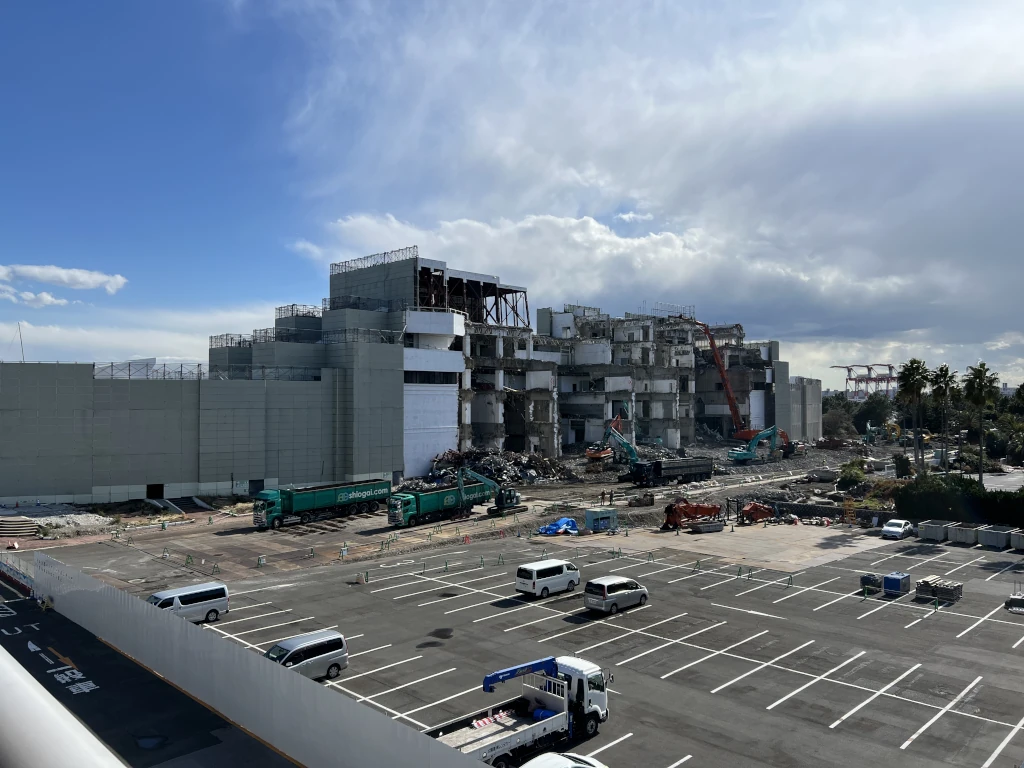
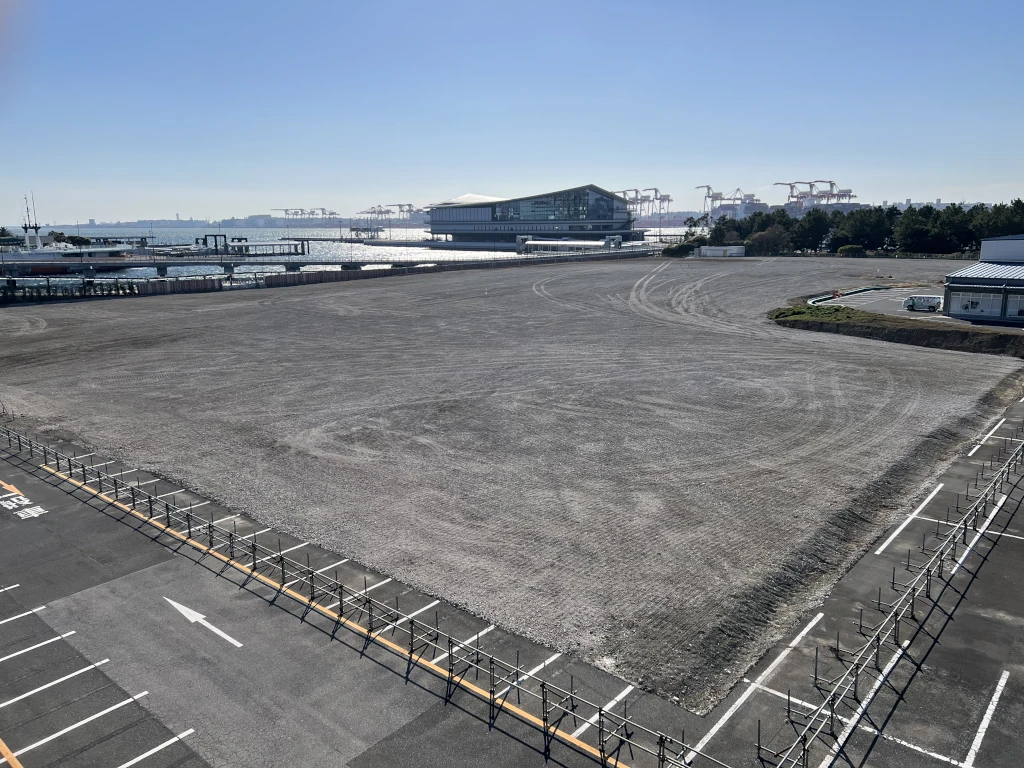
The demolition of the main Museum of Maritime Science building has changed the skyline. Even so, Sōya continues to anchor the site emotionally and historically. Visitors now encounter maritime history in a quieter, more reflective way.
🧭 Visitor Information
Address: 3-1 Higashiyashio, Shinagawa-ku, Tokyo 135-0092
Best time: Spring and autumn for waterfront walks and panoramic harbor views
Admission: Free (Sōya ship tours may have seasonal hours)
Official Info: Museum of Maritime Science, Sōya
Note: The web site for Museum of Maritime Science including Sōya are still there. However, it seems to be geo-blocked outside of Japan. That is, it is possible that you may only see it when in Japan.
Where is it?
| what3words | ///gadget.workouts.unless |
| latitude longitude | 35.6191877, 139.7741947 |
| Nearest station(s) | Tokyo International Cruise Terminal (Yurikamome Line) Tokyo Teleport (Rinkai line) |
| Nearest public conveniences | There are none inside the boat. Outside the boat by the embankment next to the road. |
Show me a sign.

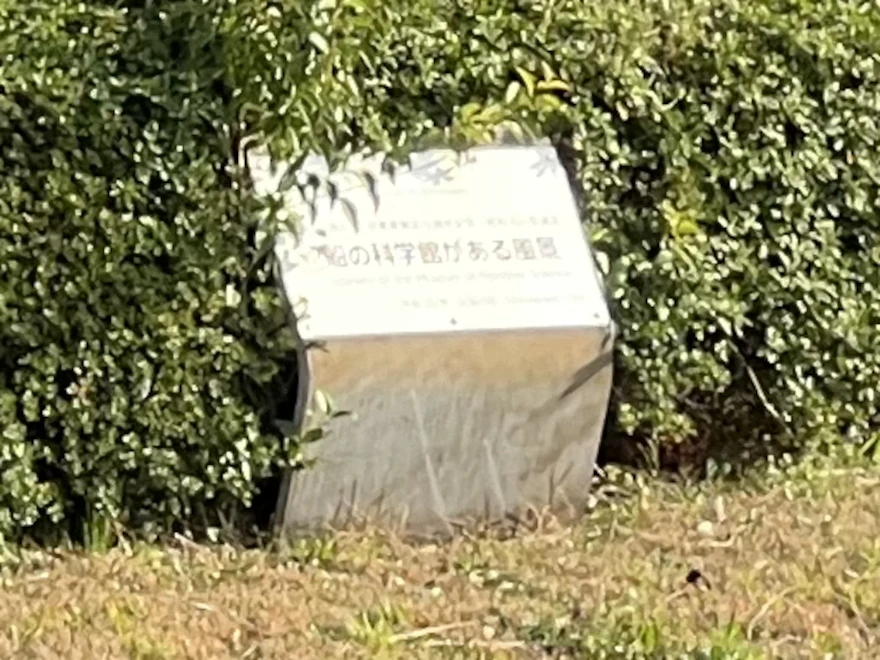
There was a sign (see below) but it went in a skip with the rest of the building, I suspect.
Withervee says…
Look, how did this place get into Shinagawa – I don’t think anyone knows. It’s miles away from the rest of it. Somebody has made a terrible mistake I fear. The postmen must be livid. Disappointingly, the Sōya is not in Shinagawa-ku. It’s in Koto-ku. This is an ex-spot.
When I visited in 2024 and the main building was still there. I could see a sign from a distance but it was behind a lot of signs saying “keep out” and 立入禁止.
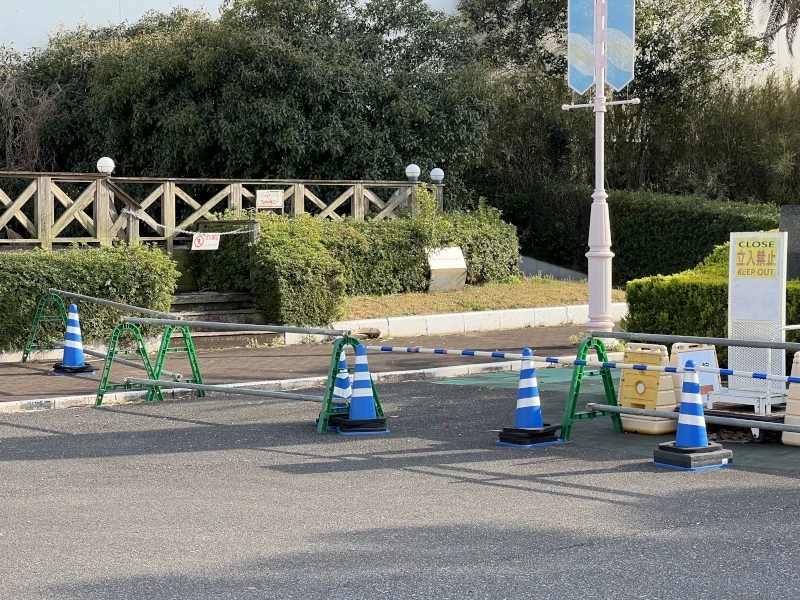
There was a man in uniform (hat and everything) in a small box with a window and I thought he wouldn’t mind me taking a picture of the sign. Apparently, he did mind. He was out of that box like a greyhound after a rabbit. Anyway, it gave him something to do – he earned his money that day. Bloody jobsworth!
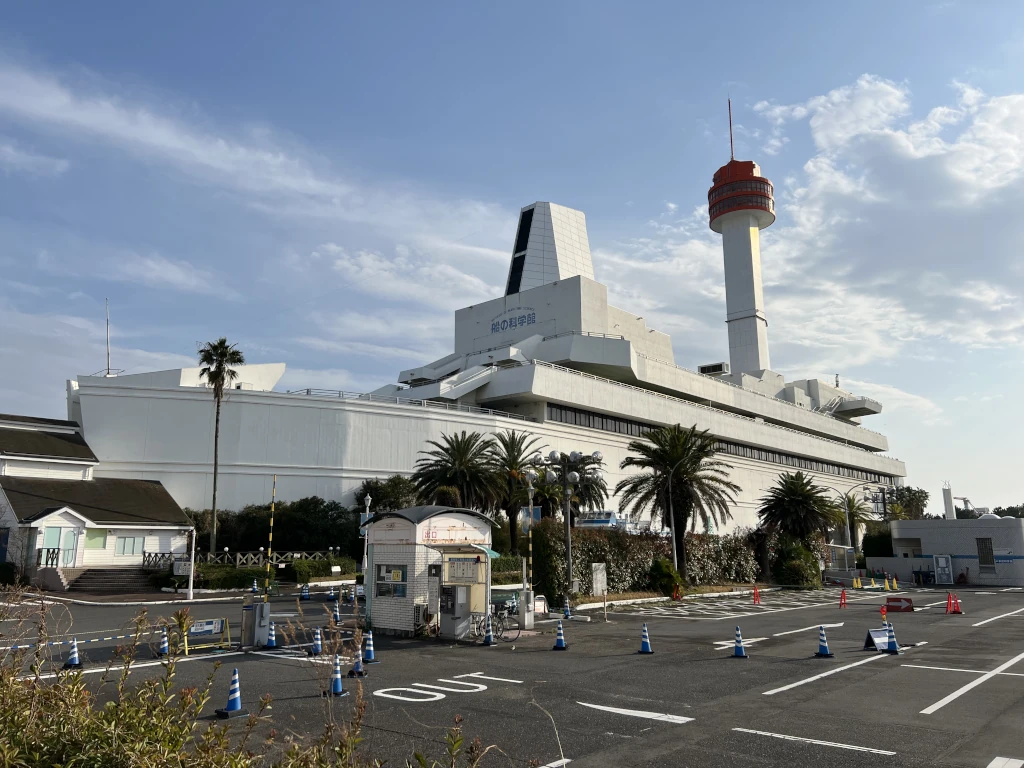
As for the boat, industrial chic with a hint of Antarctic explorer! And it’s free. If you’re looking to explore lesser-known Tokyo waterfront history, this one should be on your list.
Incidentally, the exhibits in the Sōya, and lots of other Japanese museums, can be discovered with the Pocket Curator app. It has a text/image guide. Here are the links.


Download the Pocket Curator app
Take a stroll along the waterfront and watch the boats coming in and going back out again. And the cruise ships at Tokyo International Cruise Terminal vomiting people out and swallowing them up again.
It’s a great photo op, especially at sunset!
Site Character
- Lifestyle 生活 (Seikatsu): ❌
- Historical Significance 歴史 (Rekishi): ✔️
- Atmosphere/Natural Features 風土 (Fūdo): ✔️
Who in their right mind would vote for this?
- Maritime history buffs
- Photography lovers
- Families with curious kids
- People who like big boats
- Fans of rubble.
Further reading
Sōya Japanese Wikipedia entry.
While you’re there…
You’re perilously close to the the shopping malls that are in Minato and Koto wards. Tempting! Within minutes you can venture out of this remote piece of Shinagawa to get some tat from Daiso, look at kittens, watch tourists taking pictures of themselves next to the Gundam or even see a movie.